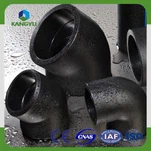
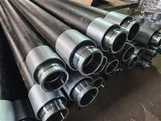
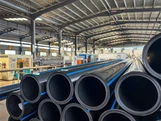
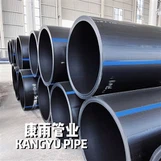
HDPE pipe is a flexible plastic pipe made of thermoplastic high-density polyethylene widely used for low-temperature fluid and gas transfer. In recent times, HDPE pipes got their extensive uses for carrying potable water, hazardous wastes, various gases, slurry, firewater, stormwater, etc. The strong molecular bond of HDPE pipe materials helps it to use for high-pressure pipelines. Polyethylene pipes have a long and distinguished service history for gas, oil, mining, water, and other industries. Due to its low weight and high corrosion resistance, the HDPE pipe industry is growing tremendously. HDPE pipes can work satisfactorily in a wide temperature range of -2200 F to +1800 F. However, the use of HDPE Pipes is not suggested when the fluid temperature exceeds 1220 F (500 C).
Properties of HDPE Pipes
The physical and mechanical properties of a typical HDPE Pipe are listed below:
Governing Codes: ISO 1183, ISO 4427, AS/ NZS 4130, BS EN 12201, EN 12056, AWWA C901, AWWA C906,
Available size range: DN 16 to 1600 (However, other customized sizes can be manufactured)


HDPE pipe is resistant to fatigue and handles high flow velocities. applications include water, sewer, oil and gas, mining,
geothermal systems, biogas,
Water supply
HDPE pipe has been used to transport water since the 1960s and continues to grow in popularity. It's durable and won't leak, rust or corrode, which is ideal for both potable and non-potable water applications. Drinking water contaminants are a concern in the U.S., as many cities have old lead or copper pipes. With HDPE pipe, there is a low risk of chemicals leaching into the water, making it a safe choice for potable water.
1.Potable Water
Transporting drinking water for cities, municipalities, and buildings
Reclaimed Water Diverting wastewater into a system for use in non-potable applications
Applications include agriculture, toilets, and textile/paper manufacturing
2. Irrigation
Transporting water for large-scale irrigation
Applications include agriculture/horticulture, cattle water, and golf courses
3. Fire protection
Transporting water for fire hydrant supply lines and building sprinkler systems
4. Electricity generation
Geothermal energy and hydroelectric dams
Sewer
Sewage and wastewater must be transported by durable, leak-free, and corrosion-resistant pipes. HDPE meets all of these criteria. It won't break or crack from cold weather or earthquakes, and the heat-fused joints prevent leakage. HDPE is resistant to biological growth and abrasions, so it won't be affected by the solids in sewage and wastewater.
HDPE pipe is used for the following sewage applications:
Transporting sewage for cities, municipalities, and large infrastructure projects
Applications include force main sewers and gravity flow sewers
Energy and Industrial
Industrial operations like oil and gas, hydroelectric dams, and mining are often in rough environments. HDPE performs well in rugged environments and harsh climates. It is durable and will not crack or break in extreme weather conditions. Installation is easy, which is ideal for expensive operations, and the pipe can easily be pulled and moved from one location to another. Additionally, HDPE is resistant to abrasion and corrosion, which is critical when transporting chemicals, gases, and waste materials.
HDPE pipe is used for the following oil and gas, mining, geothermal, and methane capture applications:
Oil and Gas
Transmitting oil and gas
From the wellhead to storage tanks or sales lines
In cross-country pipelines
Transporting water
Produced water
Water treatment for oil and gas wells
Used both before and after fracking
Municipal and residential utilities
Natural gas and propane
Mining
Transporting and collecting liquids and gases
Applications include process water, chemicals, waste, leachate, and mineral slurry
Dewatering
Applications include mine and pit
Heap leaching
Conduit Applications
HDPE pipe is used as conduit to encase electrical and telecommunication lines. It is ideal for housing power lines and cables underground, as it can withstand earthquakes and extreme temperatures and is corrosion-resistant. HDPE comes in long lengths and can be installed horizontally, which is advantageous for upgrading existing infrastructure. Conduit applications include power and telecommunications, wind and solar energy, and microduct.
Power and Telecommunications
HDPE pipes are durable and will not be affected by harsh soils or seismic events when underground. This makes HDPE the ideal material for housing critical electric and communications lines underground.
HDPE pipe is used for the following power and telecommunications applications:
Encasing electrical power lines
Applications include city and municipality utilities, highway lighting, site lighting, signal and control, intelligent transportation systems (ITS), and supervisory control and data acquisition (SCADA)
Encasing cables
Applications include fiber optic cables, telephone lines, and network cables
Clean Energy
Clean energy sources like wind and solar farms require high-voltage energy to be transported to storage centers or electrical grids. HDPE pipe is compatible with the high temperatures generated by these transfer electric lines.


Hot Tags: hdpe pipe factory pn20 sdr9 dn1600mm, China, manufacturers, suppliers, wholesale, customized